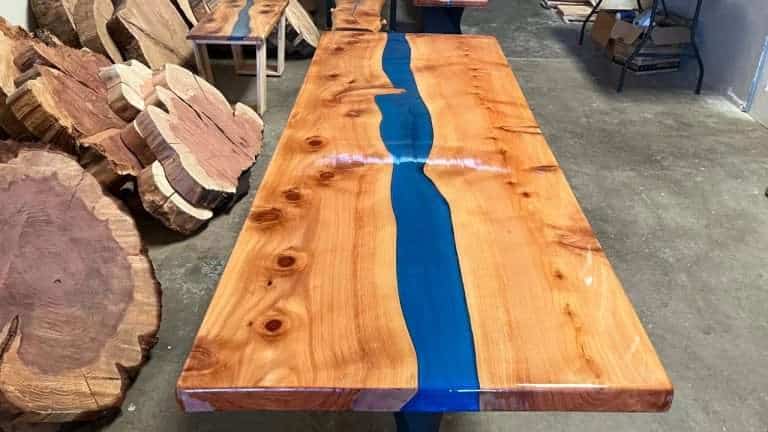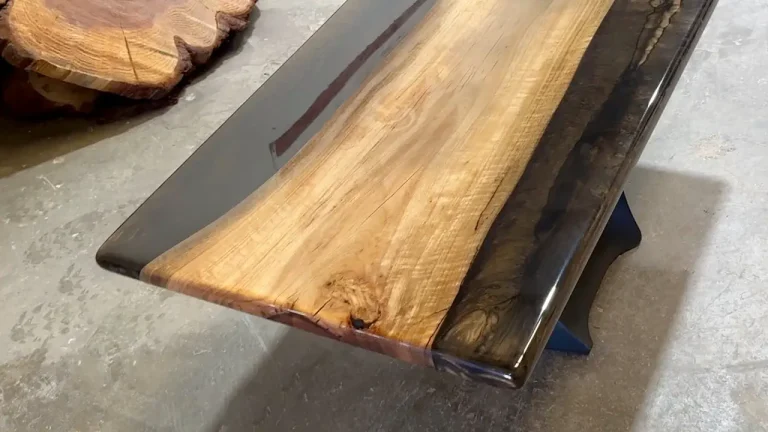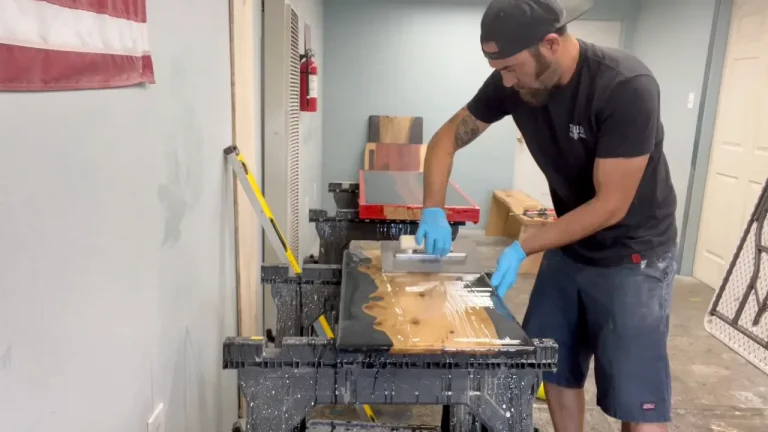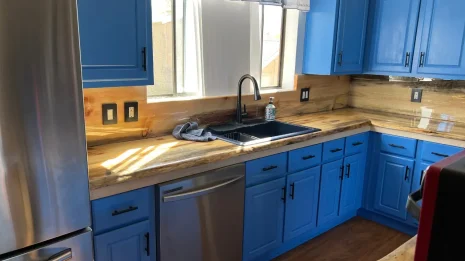
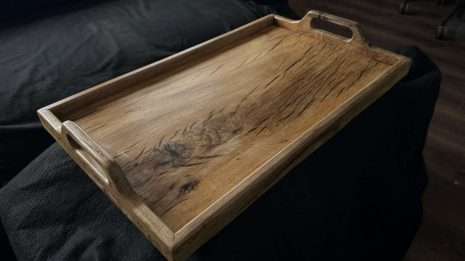


When delving into the world of wood finishes for your bespoke creations at Mountain Dog Millworks, a thoughtful consideration of the pros and cons of each type is crucial. Here’s an in-depth exploration to empower you with the knowledge needed to make informed decisions:
1. Lacquer Finishes
Pros:
- Quick Drying: Lacquer finishes stand out for their rapid drying, allowing for efficient project completion.
- Durable: The hardened surface provided by lacquer resists scratches and abrasions, ensuring a long-lasting finish.
- Enhances Wood Grain: Lacquer has the ability to accentuate the natural beauty of wood grain, providing a visually appealing result.
Cons:
- Chemical Odor: During application, lacquer emits a strong chemical odor, which may be a consideration in certain environments.
- Not Eco-Friendly: It’s essential to note that some lacquers contain volatile organic compounds (VOCs), potentially impacting environmental sustainability.
2. Polyurethane Finishes
Pros:
- High Durability: Polyurethane finishes are renowned for their excellent resistance to wear and tear, ensuring a resilient surface.
- Water-Resistant: Providing protection against water damage, polyurethane is a suitable choice for items exposed to moisture.
- Versatile: This finish adapts well to various wood types and applications, offering versatility in your design choices.
Cons:
- Longer Drying Time: Compared to lacquer, polyurethane finishes may take a bit longer to dry, requiring additional patience in the finishing process.
- Application Challenges: Careful application is necessary to avoid issues like bubbles and streaks, adding a layer of complexity to the finishing process.
3. Oil Finishes
Pros:
- Natural Look: Oil finishes excel in bringing out the natural beauty of wood, imparting a warm and organic appearance.
- Easy Application: With a user-friendly application process, oil finishes are accessible to both professionals and DIY enthusiasts.
- Eco-Friendly: Many oil finishes boast eco-friendly formulations, aligning with sustainability goals.
Cons:
- Regular Maintenance: The trade-off for the natural look is the need for more frequent reapplication compared to some other finishes.
- Limited Protection: While offering a warm aesthetic, oil finishes provide less protection against scratches and stains.
4. Shellac Finishes
Pros:
- Quick Application: Shellac’s quick drying time facilitates a speedy finishing process.
- Versatile: Shellac is compatible with various wood types, allowing for flexibility in design choices.
Cons:
- Alcohol Sensitivity: Shellac is susceptible to damage from alcohol and certain household chemicals, requiring careful consideration of the environment.
- Less Durable: In high-traffic areas, the durability of shellac may be a limiting factor compared to other finishes.
Conclusion
In the realm of wood finishes, the choice is not one-size-fits-all but depends on your specific needs, preferences, and the intended use of your creations. Consider the aesthetic you desire, the level of protection required, and the environmental impact of the finish. Each option has its merits, and by understanding the nuances of lacquer, polyurethane, oil, and shellac finishes, you can confidently select the ideal finish for your Mountain Dog Millworks masterpiece. If you have additional details or preferences, feel free to share, and I can provide even more tailored advice for your unique projects.