
All Tree Species Have Their Own Unique Characteristics And Grain Patterns. Each species has its own unique characteristics and grain patterns that contribute to the beauty of furniture. Let’s delve into the specific grain patterns and qualities of each wood type:
- Pine:
- Grain Pattern: Pine wood often exhibits a straight and uniform grain pattern, with occasional knots and resin pockets that add character.
- Color: Pine can range from pale yellow to light brown, and it may darken with age and exposure to sunlight.
- Characteristics: The knots and resin pockets in pine create a rustic and natural appearance, making it popular for cottage-style or rustic furniture.
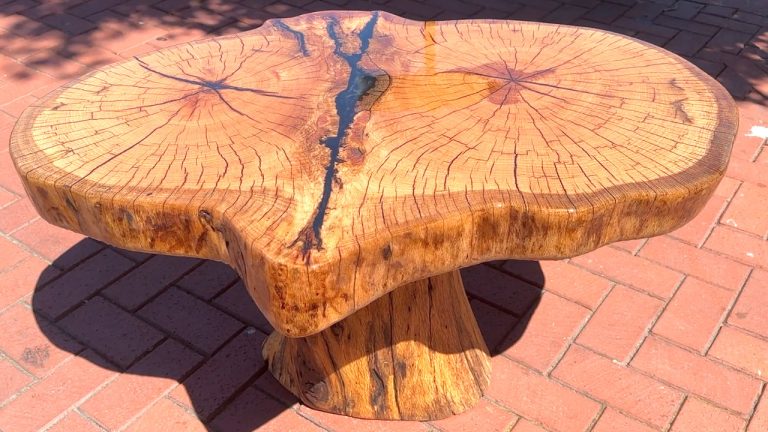
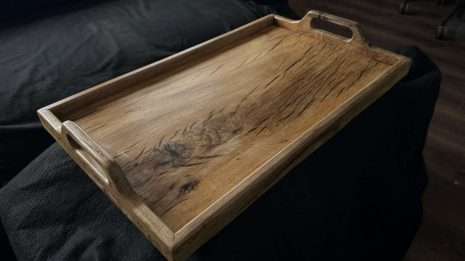
- Oak:
- Grain Pattern: Oak is known for its strong and prominent grain patterns, which can vary between species such as red oak and white oak. White oak tends to have a finer and more even grain pattern, while red oak’s grain is more pronounced.
- Color: Red oak features reddish-brown tones, while white oak is lighter with gray undertones.
- Characteristics: The pronounced grain of oak adds texture and visual interest to furniture. Quarter-sawn oak reveals a distinctive ray fleck pattern that enhances its appeal.
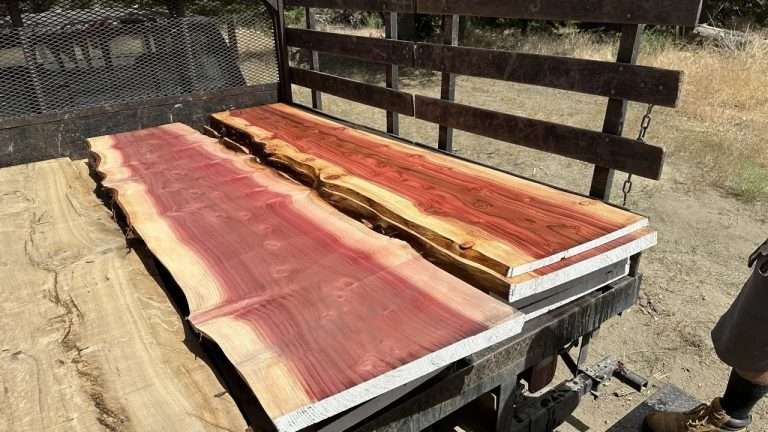
- Redwood:
- Grain Pattern: Redwood typically displays a straight and fine grain pattern, often with subtle variations in color that range from pale pink to reddish-brown.
- Color: The name “redwood” reflects the wood’s reddish hue, which can become deeper with age and exposure.
- Characteristics: Redwood’s even and delicate grain makes it well-suited for furniture with a smooth and refined appearance. Its natural reddish color can be a focal point in design.
- Fir:
- Grain Pattern: Fir wood often features a straight grain pattern with occasional knots and resin pockets, similar to pine. The grain can be less pronounced than some other woods.
- Color: Fir ranges from pale white to light reddish-brown.
- Characteristics: Fir’s lighter color and minimal grain make it suitable for both contemporary and traditional furniture. It can be stained to achieve various shades while maintaining a consistent appearance.
When considering these wood species for furniture, keep in mind that the choice of wood can influence the overall style and aesthetic of the piece. The specific grain pattern, color, and characteristics of each wood type offer opportunities to create distinct and visually appealing designs. Whether you’re drawn to the bold grain of oak, the rustic charm of pine, the refined elegance of redwood, or the versatile nature of fir, each wood species can contribute to a unique and beautiful piece of furniture.