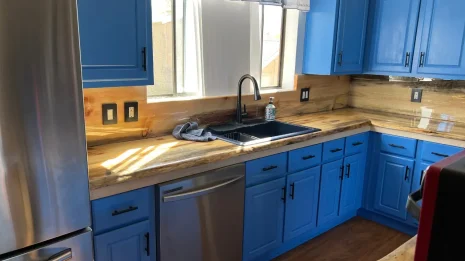
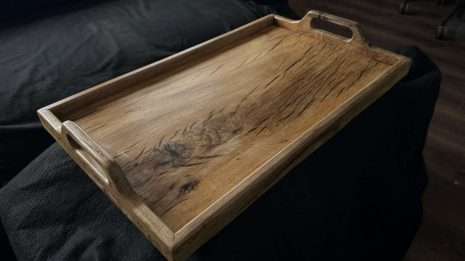

Live edge wood kitchen countertops have been growing in popularity as homeowners seek to bring natural beauty, warmth, and character to their cooking spaces. The term “live edge” refers to the natural, unrefined edge of the wood, which preserves the contours and imperfections that make each piece unique. Whether you’re creating a rustic, contemporary, or transitional look, live edge wood adds an organic touch that is both functional and eye-catching.
If you’re considering a live edge wood countertop for your kitchen, there are several factors to consider before making your choice. From the type of wood to the durability of the surface, here’s everything you need to know when selecting the perfect live edge wood kitchen countertop.
1. What is a Live Edge Wood Countertop?
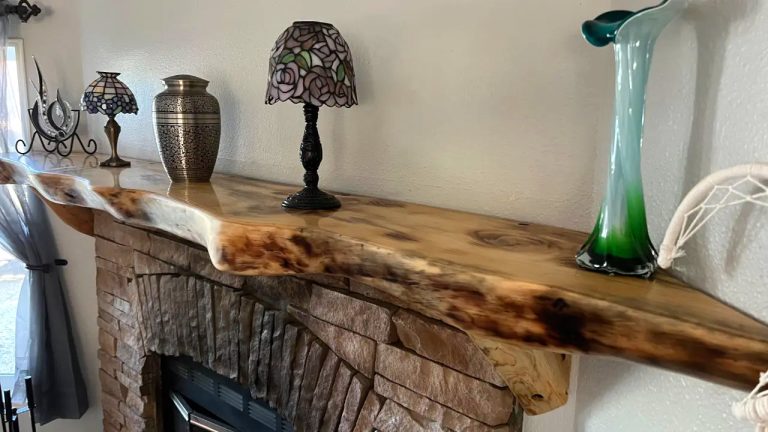
A live edge countertop features the natural edge of the wood slab, rather than a polished, straight-cut edge. This technique highlights the tree’s natural curves, knots, and imperfections, creating a unique, organic appearance. Live edge countertops are available in various wood species, and they offer a distinctive look that contrasts with the typical smooth, straight lines of traditional countertops.
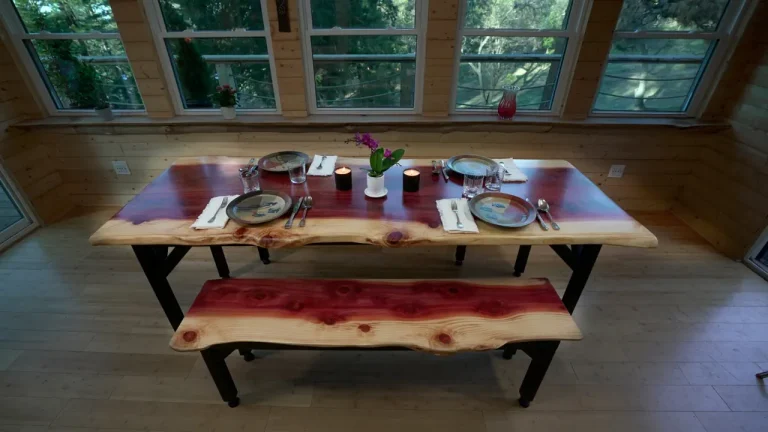
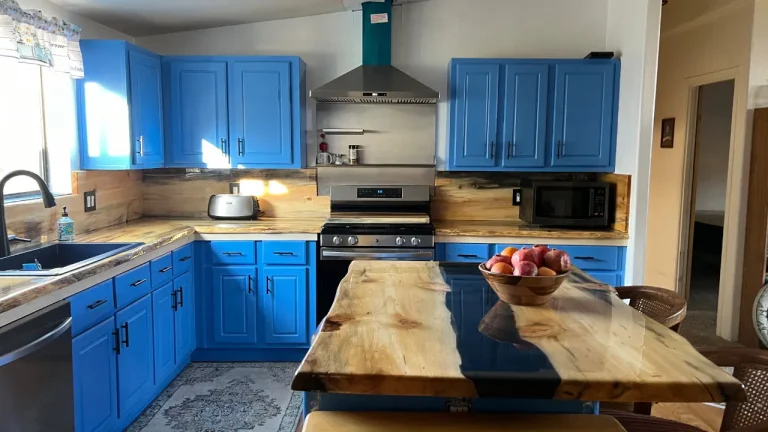
In the kitchen, live edge wood countertops can be used for islands, bar areas, prep stations, or as a stunning focal point. Their combination of rustic beauty and natural elegance makes them the perfect centerpiece for many modern and traditional kitchens.
2. Choosing the Right Wood for Your Kitchen Countertop
When selecting a live edge wood countertop for your kitchen, it’s important to choose the right wood for both aesthetic and functional purposes. Different woods offer distinct characteristics in terms of color, texture, grain, and durability. At our company, we source four popular types of wood: pine, redwood, oak, and fir, each bringing something special to the table.
Pine Wood Countertops
Pine is one of the most budget-friendly and widely available softwoods, making it an appealing option for many homeowners. Its pale, golden color with subtle grain patterns creates a light, airy atmosphere in the kitchen. Pine is an excellent choice if you’re looking for a more rustic or farmhouse-style countertop.
- Best for: Small kitchen islands, breakfast bars, or as an accent piece.
- Aesthetic: Light, warm color with a soft, subtle grain.
- Durability: While pine is softer than hardwoods, it’s still quite sturdy for general kitchen use. However, it may show wear and tear more quickly, especially in high-traffic areas. It’s important to apply a durable finish to protect the surface.
Redwood Wood Countertops
Redwood is a beautiful, rich hardwood with a striking reddish-brown color and smooth grain pattern. It is naturally resistant to moisture and decay, which makes it a strong contender for kitchen countertops, especially in areas that see frequent spills or humidity. Its deep, warm tones will stand out as a bold feature in your kitchen, and it pairs beautifully with both modern and rustic décor.
- Best for: Larger kitchen islands or countertops in high-use areas.
- Aesthetic: Rich, reddish-brown hues with a smooth, refined grain that adds warmth to the kitchen.
- Durability: Redwood is highly durable and resistant to moisture, making it an excellent choice for kitchen environments where water exposure is frequent.
Oak Wood Countertops
Oak is one of the most popular and durable hardwoods for kitchen countertops. It has a bold, prominent grain that can be either light or darker depending on whether you choose red oak or white oak. Oak is an extremely durable and long-lasting choice for a kitchen, able to withstand the wear and tear of daily use while still looking beautiful.
- Best for: High-traffic kitchen areas, such as prep zones, kitchen islands, and countertops that see heavy use.
- Aesthetic: A robust, noticeable grain with a wide range of color tones, from light yellow to rich reddish-brown.
- Durability: Oak is one of the hardest and most durable woods available, making it perfect for kitchens where durability is a priority.
Fir Wood Countertops
Fir wood offers a more neutral, soft color, often light blonde to yellowish in hue, with subtle grain patterns. It has a slightly less dense and softer feel compared to oak, but it still offers good durability for kitchen use. Fir countertops have a clean, natural look and work well in contemporary or Scandinavian-inspired kitchens.
- Best for: Modern or minimalist kitchen designs where a lighter, clean aesthetic is desired.
- Aesthetic: Light, subtle hues with a gentle, understated grain pattern.
- Durability: Fir is softer than oak or redwood, so it may show scratches and dents more easily. However, with proper sealing and maintenance, it can hold up well in a kitchen environment.
3. Durability and Maintenance Considerations for Kitchen Use
When selecting a live edge wood countertop for the kitchen, durability is a critical consideration. The kitchen is a high-traffic area that sees frequent spills, moisture, and food preparation, so choosing a durable wood species and proper finish is essential.
Sealing and Finishing: The key to preserving the beauty and function of your live edge wood countertop lies in the finish. A high-quality finish protects the wood from water, stains, and scratches. Common finishes for wood countertops include:
- Polyurethane: Offers a durable, glossy finish that provides strong protection against spills, moisture, and scratches. Ideal for high-traffic kitchen areas.
- Oil-based finishes: Tung oil or linseed oil gives a matte finish while allowing the natural grain to shine through. These finishes require regular maintenance but enhance the natural beauty of the wood.
- Epoxy resin: A smooth, waterproof finish perfect for keeping your countertop protected and low-maintenance.
Make sure to clean your live edge countertop regularly with a wood-friendly cleaner and avoid harsh chemicals or abrasive scrubbing to maintain the finish.
4. Design and Style Considerations
Live edge countertops are naturally striking, so it’s important to consider how they will integrate with the rest of your kitchen design. The raw, organic beauty of live edge wood works best in spaces where it can be the focal point, such as kitchen islands or breakfast bars.
- Rustic or Farmhouse Style: For a more rustic or farmhouse feel, pine and fir offer a natural, weathered look that complements vintage-inspired décor.
- Modern or Transitional Style: Redwood and oak, with their rich colors and textures, create a bold, sophisticated statement and work well in more contemporary or industrial kitchens.
- Color Coordination: The color of the wood can dramatically affect the overall look of your kitchen. Light-colored woods like pine and fir can brighten up smaller spaces, while darker woods like redwood and oak add richness and warmth.
5. The Cost of Live Edge Wood Kitchen Countertops
Live edge wood countertops tend to be more expensive than traditional countertops due to the labor-intensive process of sourcing, cutting, and finishing the wood. Prices will vary depending on the species of wood, the size of the countertop, and the complexity of the installation. Generally speaking:
- Pine is the most affordable option, offering a budget-friendly choice for homeowners.
- Redwood is on the pricier side, but its durability and unique color make it worth the investment.
- Oak offers great value due to its long-lasting durability and timeless appeal.
- Fir typically falls in the middle price range, making it an affordable option for homeowners seeking a softwood with a modern look.
6. Professional Installation
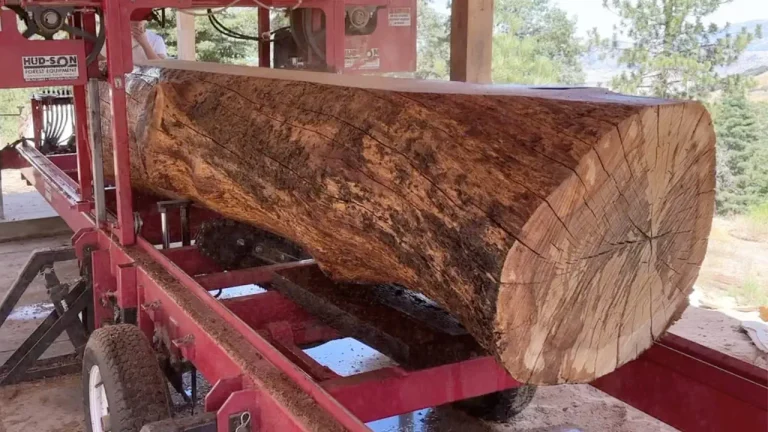
Due to the size and weight of live edge wood slabs, it’s important to have a professional install your countertop. Experts can ensure the wood is properly supported, aligned, and securely fixed in place. Installation also requires knowledge of how to handle and finish the wood to maintain its natural beauty and durability.
Final Thoughts
A live edge wood kitchen countertop is a beautiful, unique addition to any home, combining rustic charm with modern appeal. The choice of wood—whether pine, redwood, oak, or fir—should be based on your kitchen’s design, how much traffic the area will see, and how much maintenance you’re willing to put in. With proper care, a live edge wood countertop can become a stunning focal point in your kitchen, blending beauty, functionality, and a touch of nature that will last for years to come.