
Best Wood for Kitchen Countertops and Islands
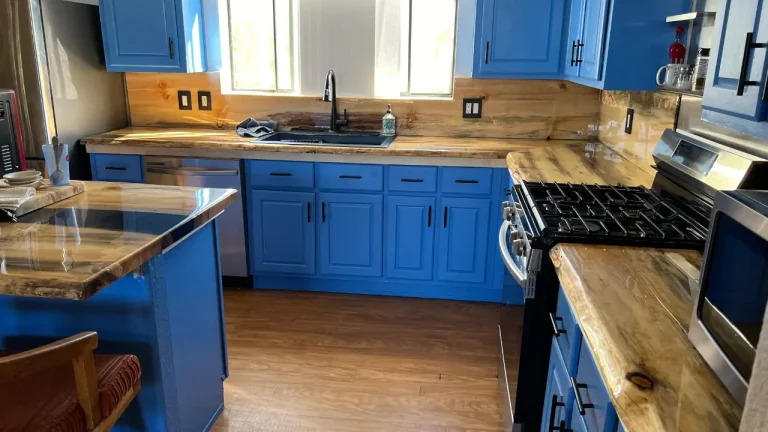
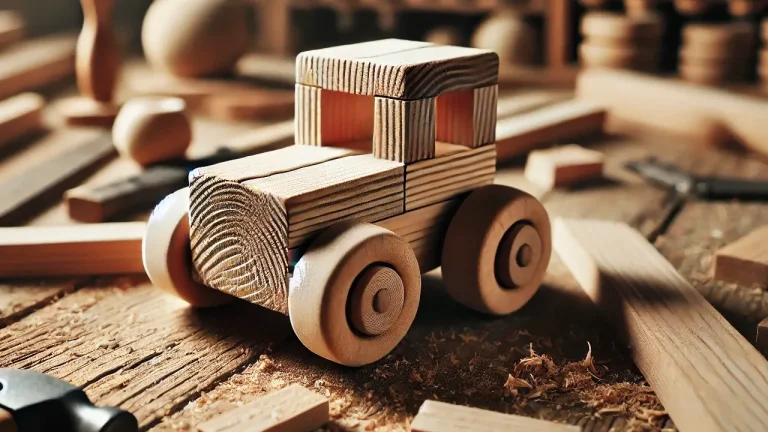
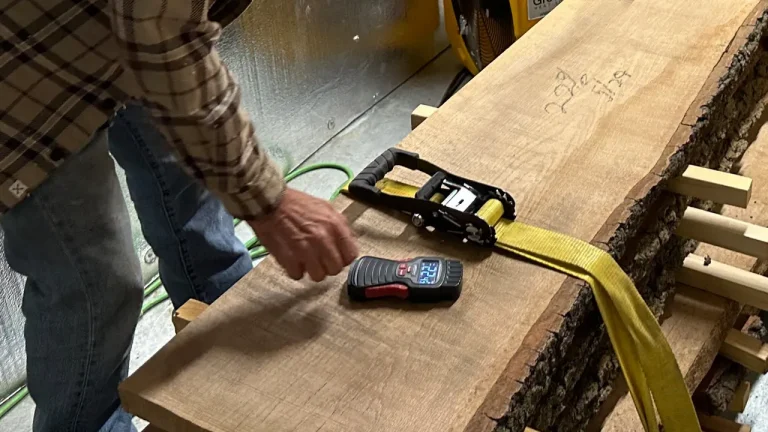
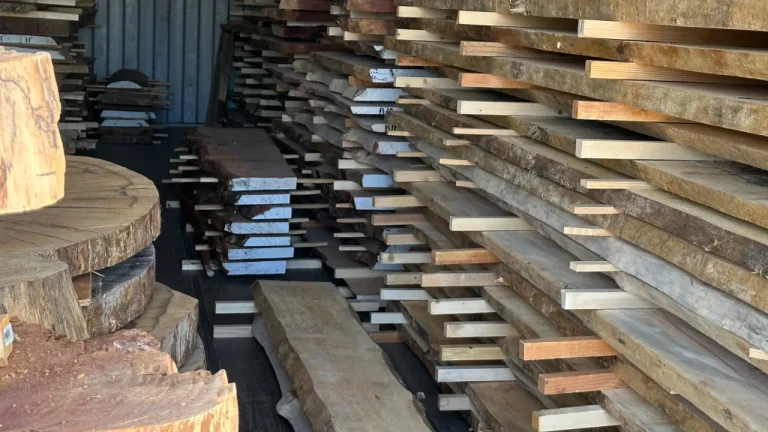
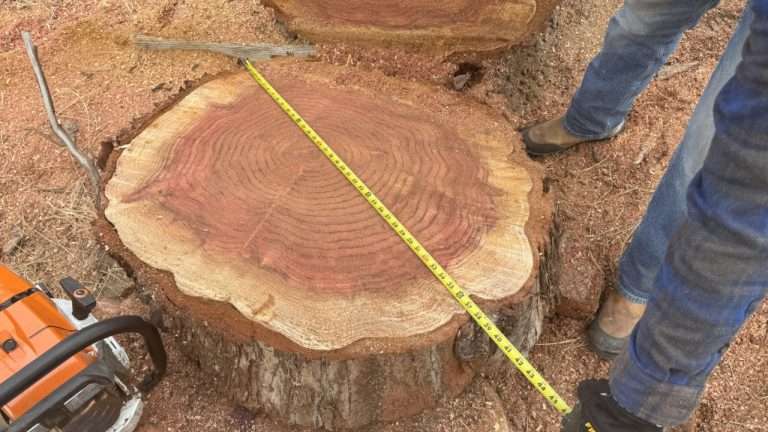
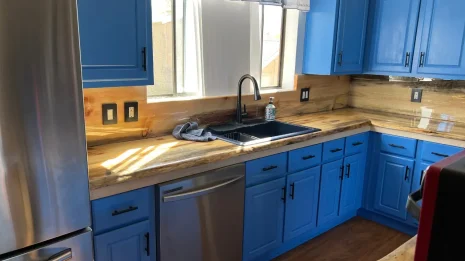
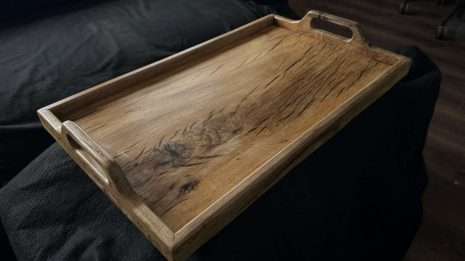
Best Wood for Kitchen Countertops and Islands: Pine vs. Oak vs. Redwood. When it comes to designing a custom kitchen, the countertop or island is often the heart of the space. At Mountain Dog Millworks, we craft handmade kitchen counters and islands from locally harvested Pine, Red Oak, and Redwood—each kiln-dried and made to order.
Choosing the right wood species isn’t just about looks—it’s about durability, maintenance, and the kind of atmosphere you want in your kitchen. Here’s a side-by-side comparison to help you decide.
Pine: Warm, Rustic, and Budget-Friendly
Color & Style
Pine countertops bring a warm, farmhouse feel to any kitchen. The creamy tones, golden hues, and rustic knots create a cozy, lived-in charm.
Durability
With a Janka hardness of 380, Pine is softer and more prone to dings and dents. That said, many homeowners embrace its aged, distressed character over time.
Best For:
- Rustic or country-style kitchens
- Light-use island tops or bar extensions
- Households that prefer patina and charm over pristine finishes
Care Tip:
Use cutting boards and apply food-safe oil regularly to maintain longevity.
Red Oak: Hardworking, Durable, and Timeless
Color & Style
Red Oak features rich, warm tones—ranging from light brown to subtle red. Its prominent grain adds texture and visual depth to your kitchen.
Durability
At 1,290 Janka, Red Oak is much harder than Pine, making it ideal for everyday kitchen use and family life.
Best For:
- Full kitchen counters and work islands
- Busy households and high-traffic areas
- Traditional, craftsman, or transitional kitchen styles
Care Tip:
Takes stain beautifully—great if you want to color-match cabinetry or flooring.
Redwood: Striking, Naturally Resilient, and Statement-Making
Color & Style
Redwood offers dramatic color variations—deep reds, purples, and chocolate browns—with elegant grain patterns. It’s a conversation piece in any kitchen.
Durability
Though softer than oak (450 Janka), Redwood’s natural resistance to moisture and insects makes it an excellent choice for protected indoor use—especially when sealed properly.
Best For:
- Centerpiece islands
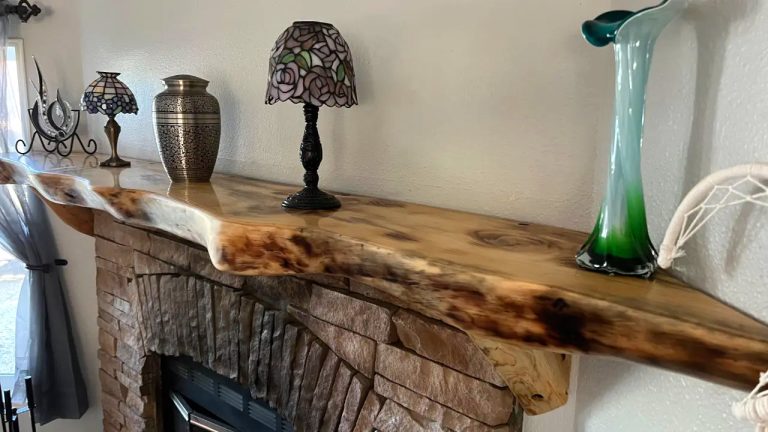
- Accent counters with waterfall or live edge detail
- Open-plan kitchens where the island is the visual anchor
Care Tip:
Use a quality food-safe sealer to enhance its natural color and protect from wear.
Side-by-Side Wood Comparison for Kitchen Surfaces
| Feature | Pine | Red Oak | Redwood |
|---|---|---|---|
| Color | Cream to golden yellow | Light brown to reddish hues | Deep red, chocolate, and purple tones |
| Grain | Straight, knotty, rustic | Open, bold, visible rays | Straight or wavy, elegant |
| Janka Hardness | 380 | 1,290 | 450 |
| Best Use | Rustic islands, light-use tops | Full counters, workhorse islands | Visual statement islands |
| Maintenance | Frequent oiling, gentle use | Durable, easy to stain | Seal well, protect from heavy impact |
| Style Match | Farmhouse, cottage | Craftsman, traditional | Contemporary, artisan, modern rustic |
What’s the Right Choice for You?
- Go with Pine if you love a rustic, budget-conscious kitchen full of charm.
- Choose Oak if durability and timeless appeal are top priorities.
- Opt for Redwood if you want your kitchen island to be a bold, artistic centerpiece.
Every slab we use is kiln-dried, locally harvested, and hand-finished here in Tehachapi, California. From smooth plane-and-sand finishes to bold live-edge designs, your kitchen deserves wood that tells a story.
Ready to Design Your Dream Kitchen?
At Mountain Dog Millworks, we custom mill every countertop and island to your specs—length, thickness, width, and finish. Whether you’re building new or remodeling, we’re here to bring your vision to life.