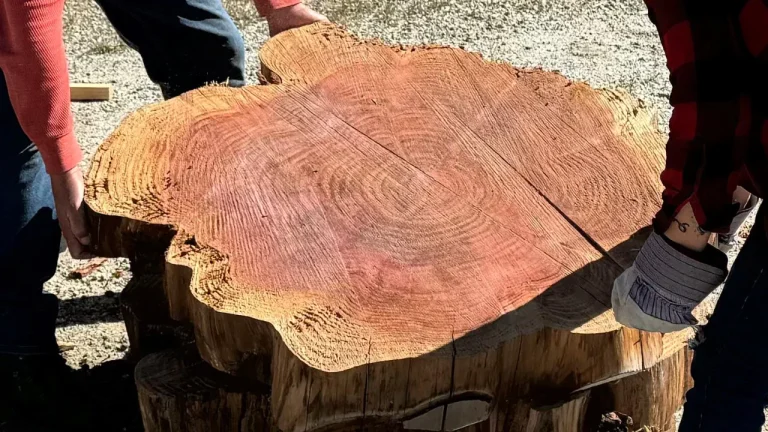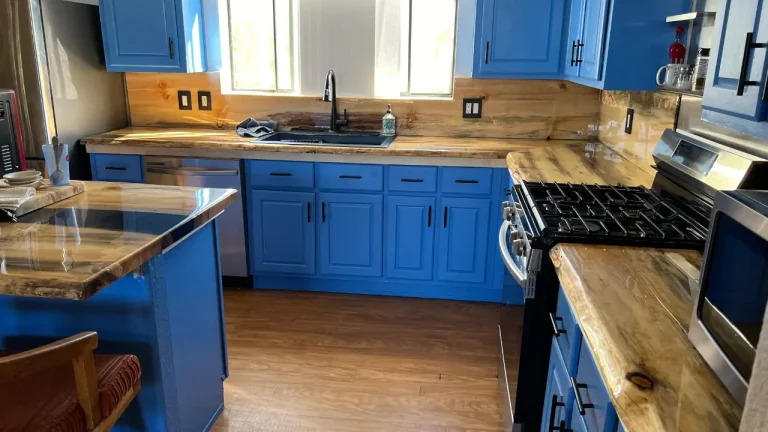
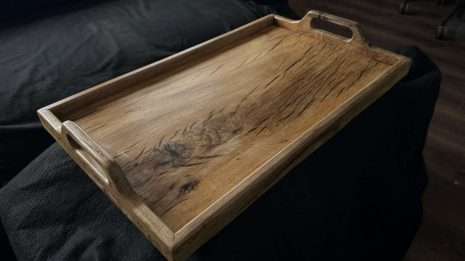

Choosing the perfect live edge coffee table for your living room can be exciting, as each piece is unique due to the natural edge and wood grain. Here’s how to find one that fits your space, style, and functional needs:
1. Consider the Size
- Proportion: The coffee table should be about two-thirds the length of your sofa. If you have a sectional, measure the longest side.
- Height: The ideal height for a coffee table is generally equal to or slightly lower than the height of your sofa cushions, around 16-18 inches.
- Space around the table: Leave 12-18 inches between the coffee table and your seating for easy movement and comfort.
2. Shape and Style
- Rectangular or oval slabs: These shapes work well in longer living rooms or larger seating areas, offering ample surface space.
- Round or square slabs: These are perfect for smaller spaces or rooms with tighter seating arrangements like sectionals.
- Freeform shapes: A more irregular, organic shape can add an artistic touch to your room, especially with the natural curves of a live edge.
3. Wood Species
The type of wood plays a big role in the overall look and durability of your live edge coffee table.
- Walnut: Dark, rich brown with intricate grain patterns. Walnut has a luxurious, modern appeal.
- Oak: Light to medium brown with a sturdy, rustic feel, ideal for traditional or farmhouse styles.
- Maple: Lighter in tone, often with a smooth, creamy appearance. Great for Scandinavian or minimalist spaces.
- Cherry: Reddish-brown wood that darkens over time, offering a classic, warm appearance.
- Reclaimed or salvaged wood: For an eco-friendly option, look for slabs made from repurposed wood with rich history and character.
4. Source of the Wood
- Local artisans: Sourcing from local woodworkers or craftsmen allows you to see and feel the wood, ensuring quality and allowing for custom options..
- Online retailers: Many companies specialize in live edge furniture, offering a wide range of woods and styles. Just be sure to verify the reputation of the seller and their craftsmanship.
5. Edge and Finish
- Live edge style: Some tables have a more pronounced, rugged edge, while others are smoother but still natural. Consider the level of roughness you want to see on the edge. Rugged edges work well in rustic or natural-themed spaces, while more refined edges suit modern or minimalist styles.
- Finish: Decide whether you want a natural, matte finish or a glossy, polished one. Natural oils like tung oil or linseed oil enhance the wood’s grain, while polyurethane or epoxy resin provides a glossy, durable finish.
6. Base and Legs
- Wooden legs: A full wood base gives a rustic, cohesive look, and it works well in traditional or farmhouse-style rooms.
- Metal legs: Metal bases, particularly in black or brushed steel, create a modern, industrial contrast with the organic wood slab. This works well in contemporary or minimalist spaces.
- Hairpin legs: Sleek and minimalist, hairpin legs are popular for small or mid-century modern spaces, allowing the slab to be the focal point.
- Custom designs: Many artisans offer custom leg options that can be tailored to your room’s design. Choose the base material and style that suits your décor.
7. Color and Tone
- Contrast vs. blend: Dark wood slabs like walnut provide a striking contrast in rooms with lighter furniture, while lighter wood tones (oak, maple) blend well with neutral or soft color palettes.
- Balance with décor: Consider how the table’s wood tone interacts with the existing colors and textures in your living room. A warm-toned wood slab works well in cozy or traditional spaces, while cool-toned wood (like ash) fits in modern or industrial settings.
8. Functionality
- Storage: Some live edge coffee tables come with built-in shelves or drawers, providing additional storage while maintaining a natural aesthetic.
- Size and sturdiness: If the coffee table will double as a footrest or need to hold heavier items, ensure the base and wood slab are sturdy enough. Thicker slabs and robust legs are key for heavy use.
9. Practical Considerations
- Maintenance: Live edge wood may require occasional re-oiling or polishing, depending on the finish. Some finishes, like polyurethane, are easier to maintain, while natural oils may need periodic touch-ups.
- Safety: If you have young children or pets, consider the sharpness of the live edge. Some tables have smoother, safer edges, while others may be a bit rougher and less kid-friendly.
10. Customization Options
- Custom sizing: Many live edge tables are made to order, so you can choose the exact dimensions, wood type, and base material to match your living room perfectly.
- Personalized finishes: You can often select the finish that best matches your space, from high-gloss resin coatings to more natural, matte finishes.
By considering these aspects, you can choose a live edge coffee table that perfectly fits your living room’s size, style, and functional needs. The natural beauty of the wood slab will create a stunning focal point in your home while adding a touch of nature to your space.