
Wood Burls vs Wood Cookies: Understanding the Difference Before You Buy
When shopping for natural wood slabs, two terms come up often—and are frequently confused: wood burls and wood cookies (also called wood slices). While both are stunning and cut from real trees, they are formed differently, behave differently, and serve very different design purposes.
This guide breaks down the differences step by step so you can confidently choose the right material for your woodworking or furniture project.
What Is a Wood Burl?
A wood burl is a natural growth deformity that forms when a tree experiences stress such as injury, disease, or environmental pressure. Instead of growing straight, the grain twists and folds into tight, chaotic patterns.
Why This Matters
The distorted grain structure is what makes burls so valuable. Because no two burls form the same way, each piece is completely unique.
Key Burl Characteristics
- Swirling, marbled, or feathered grain patterns
- Irregular shapes and thicknesses
- Extremely dense wood fiber
- Rare and highly sought after
Common Uses for Wood Burls
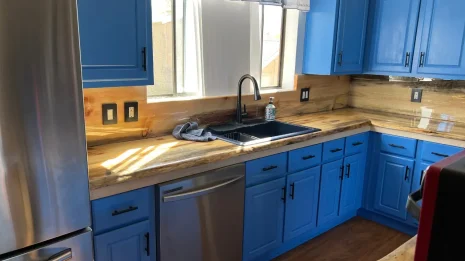
- Statement tables and countertops
- Artistic furniture pieces
- High-end woodworking and inlays
- Collector-grade slabs
Burls are chosen when visual impact and uniqueness are the top priorities.
What Is a Wood Cookie (Wood Slice)?
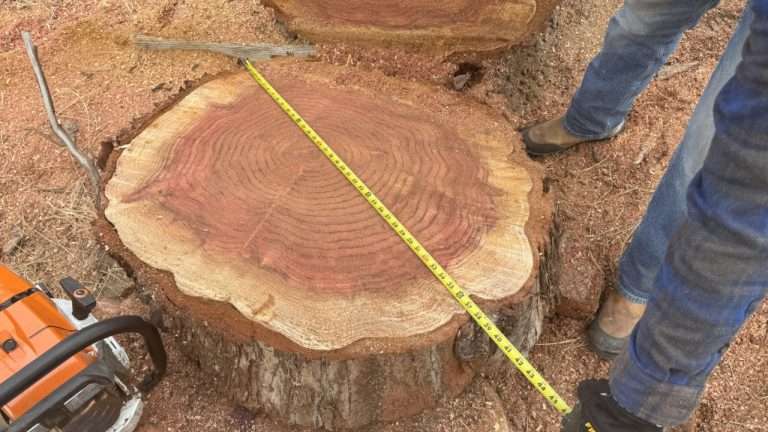
A wood cookie is a cross-section cut straight across the trunk or a large branch of a tree. It displays the tree’s natural growth rings from the center outward.
Why This Matters
Cookies show the tree’s life history—each ring represents a year of growth. This makes them especially appealing for rustic and nature-inspired designs.
Key Cookie Characteristics
- Round or oval shape
- Visible growth rings
- Natural bark edge (often preserved)
- More predictable thickness and size
Common Uses for Wood Cookies
- Rustic coffee tables and side tables
- Wall art and signage
- Centerpieces and décor
- Stepping stones and accent pieces
Cookies are ideal when you want a natural, organic, and grounded aesthetic.
Wood Burls vs Wood Cookies: Side-by-Side Comparison
| Feature | Wood Burl | Wood Cookie |
|---|---|---|
| Grain Pattern | Wild, swirling, dramatic | Circular growth rings |
| Shape | Irregular | Round or oval |
| Rarity | Rare | More common |
| Cost | Higher | More affordable |
| Visual Style | Artistic, bold | Rustic, natural |
| Best Use | Statement furniture | Tables, décor, accents |
Stability, Cracks, and Expectations
Why Cracks Happen
Both burls and cookies can crack if not dried properly. Cookies are especially prone to radial cracks because wood shrinks as it dries from the outside inward.
Why This Is Important
Understanding this helps you:
- Choose kiln-dried wood instead of green wood
- Accept natural checking as part of the character
- Plan for stabilization techniques like epoxy or butterfly keys
Proper drying and milling make a dramatic difference in long-term performance.
Which One Is Right for Your Project?
Choose a Wood Burl If:
- You want a bold, one-of-a-kind centerpiece
- The project is high-end or artistic
- Visual drama outweighs symmetry
Choose a Wood Cookie If:
- You prefer a rustic or natural look
- You want to highlight growth rings
- Budget and predictability matter
Both options are beautiful—but they tell very different stories.
Why Knowing the Difference Matters
Choosing between a burl and a cookie helps you:
- Select the right wood for durability and design
- Set realistic expectations for price and finishing
- Avoid costly examples or mismatched aesthetics
Understanding the source of the wood leads to better design decisions and better results.
Final Thoughts
Wood burls and wood cookies may come from the same tree, but their appearance, behavior, and applications couldn’t be more different. Whether you’re designing a statement table or a rustic accent piece, knowing the difference ensures your project starts with the right foundation.