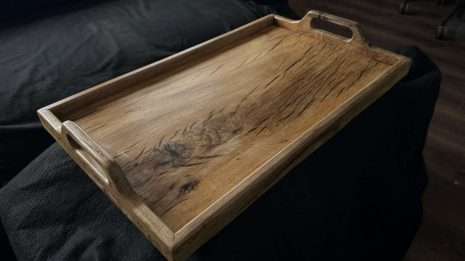

Choosing the right base for your live edge table is crucial in ensuring both functionality and aesthetic appeal. Below is a comparison between wooden and metal bases to help you decide which foundation is perfect for your live edge table.
1. Aesthetic Appeal
- Wooden Bases:
- Natural Look: Wooden bases complement the organic, rustic beauty of live edge tables. They enhance the warmth and natural feel, creating a cohesive design that highlights the wood’s natural grain and color.
- Variety of Styles: Wooden bases can be crafted in various designs, from traditional legs to more artistic, custom shapes. The wood species chosen for the base can match or contrast with the tabletop, offering a tailored look.
- Metal Bases:
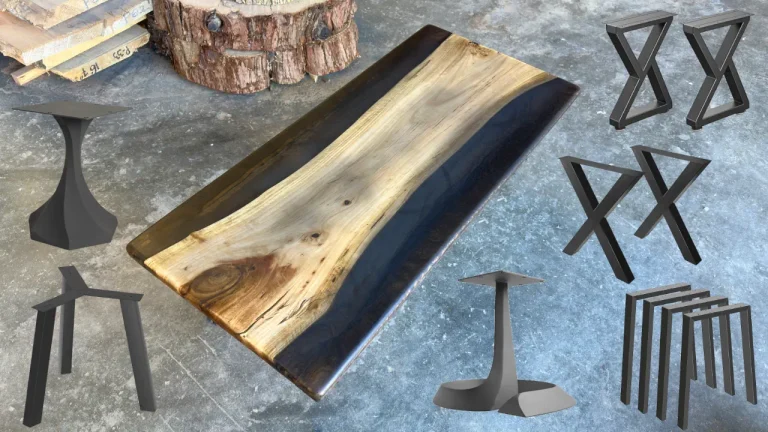
- Modern and Sleek: Metal bases provide a contemporary contrast to the natural, irregular lines of a live edge tabletop. They add a sleek, industrial element, creating a modern and stylish aesthetic.
- Customizable Designs: Metal can be shaped into various designs, from minimalist legs to intricate geometric patterns. It offers more flexibility in creating unique and bold statement pieces.
2. Durability and Stability
- Wooden Bases:
- Durability: High-quality hardwood bases are durable and can withstand significant weight. However, they may be susceptible to moisture and temperature changes, which could affect their longevity if not properly cared for.
- Stability: Wooden bases are sturdy and provide excellent support, particularly for larger or thicker live edge tops. They can also be designed to distribute weight evenly across the surface.
- Metal Bases:
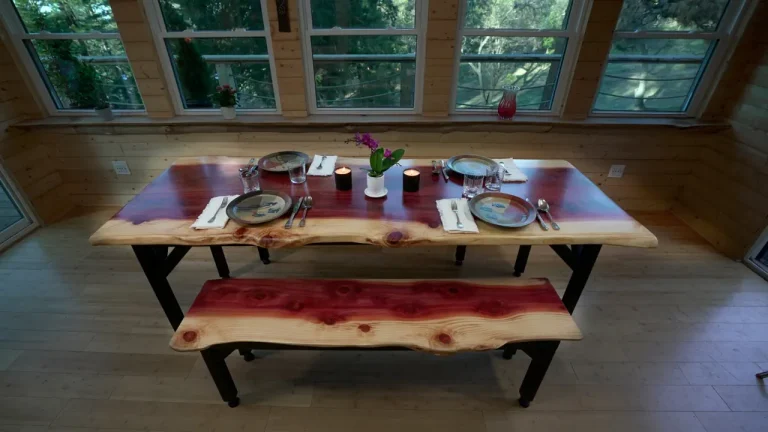
- Durability: Metal bases are extremely durable and resistant to wear and tear. They are less affected by environmental changes and can support heavier live edge slabs without warping or cracking.
- Stability: Metal bases offer superior stability, especially for large or heavy tables. Their strength makes them ideal for supporting wide or irregularly shaped live edge tops.
3. Versatility in Design
- Wooden Bases:
- Versatility: Wooden bases can be designed to match the aesthetic of the tabletop, whether you prefer a traditional, rustic look or a more contemporary style. They can be stained, painted, or left in their natural state to suit your decor.
- Customization: Wood offers a range of possibilities for custom designs, including intricate carvings, mixed wood species, or even incorporating other materials like metal or glass.
- Metal Bases:
- Versatility: Metal bases are highly versatile and can be finished in a variety of ways, including powder coating, polishing, or patination. This allows for a wide range of color options and finishes that can either blend in or stand out as a design feature.
- Customization: Metal can be manipulated into various forms and shapes, allowing for innovative and artistic base designs. Whether you want something minimalist or bold, metal bases can be customized to suit your vision.
4. Maintenance
- Wooden Bases:
- Maintenance Needs: Wooden bases require regular maintenance to preserve their appearance and integrity. This includes dusting, polishing, and occasionally reapplying finishes to protect the wood from moisture and damage.
- Repairability: Scratches or dents in wooden bases can often be repaired relatively easily with sanding and refinishing.
- Metal Bases:
- Maintenance Needs: Metal bases are generally low maintenance. They may need occasional cleaning to prevent rust or corrosion, especially in humid environments, but they are otherwise easy to care for.
- Repairability: While metal bases are more resistant to damage, any dents or scratches might require professional repair to restore their original look.
5. Cost Considerations
- Wooden Bases:
- Cost: Wooden bases can vary widely in price depending on the wood species, craftsmanship, and complexity of the design. Generally, custom wooden bases can be more expensive, especially if using rare or high-quality wood.
- Value: A well-crafted wooden base adds significant value to the table, especially if it matches the live edge top, creating a harmonious and high-end look.
- Metal Bases:
- Cost: Metal bases can also range in price depending on the material (e.g., steel, iron, aluminum) and the complexity of the design. Custom metal bases can be expensive, especially for intricate or artistic designs.
- Value: The durability and modern appeal of metal bases can enhance the overall value of the table, especially in contemporary settings.
Conclusion: Choosing the Perfect Foundation
- Choose Wooden Bases If: You want to emphasize the natural, organic feel of your live edge table, prefer a warm, rustic aesthetic, and are willing to invest in regular maintenance for longevity.
- Choose Metal Bases If: You’re looking for a modern, sleek design with maximum durability and minimal maintenance, and want a base that can support heavier or larger live edge slabs with ease.
Ultimately, the choice between a wooden or metal base depends on your aesthetic preferences, the environment where the table will be placed, and how much maintenance you’re willing to undertake. Both options can provide a stunning and functional foundation for your live edge table, so consider what best suits your style and needs.