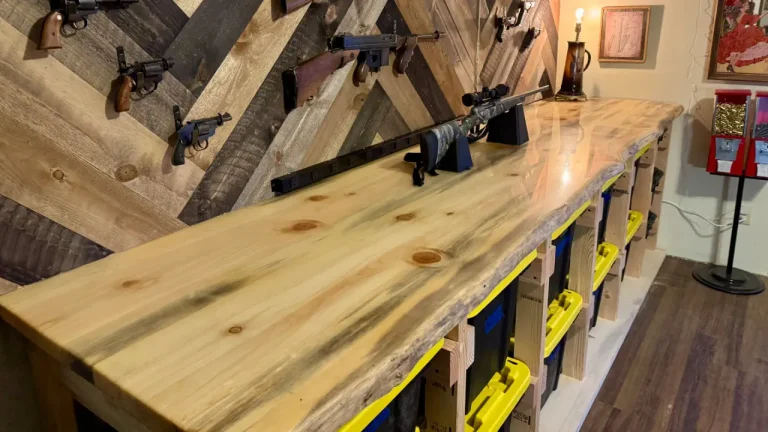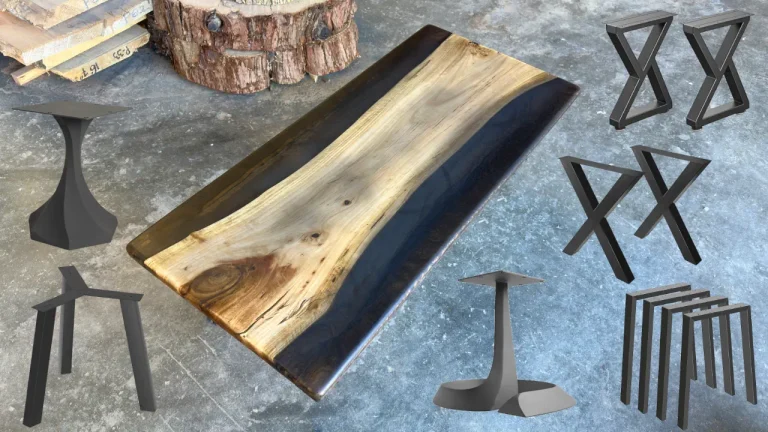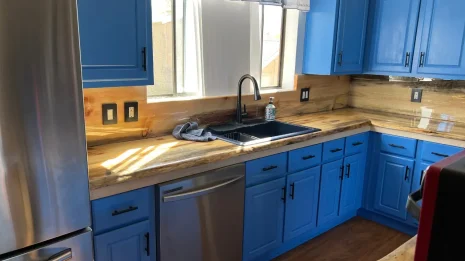
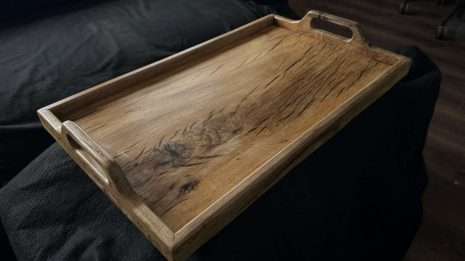

Creating a live edge table is a blend of artistry, skill, and a deep appreciation for the natural beauty of wood. A great live edge table stands out not only for its aesthetic appeal but also for the craftsmanship that goes into its making. Here’s what defines a truly exceptional live edge table:
1. Selection of High-Quality Wood
- Why It Matters: The wood is the heart of any live edge table. Choosing the right slab is crucial as it determines the table’s overall appearance, durability, and character.
- Key Features: Look for slabs with a strong grain pattern, unique natural edges, and minimal defects. The wood should be properly seasoned and kiln-dried to ensure stability and prevent warping or cracking over time.
2. Preservation of Natural Edges
- Why It Matters: The live edge is what sets these tables apart from traditional furniture. It reflects the tree’s natural form, creating a connection between the finished piece and its origins in nature.
- Key Features: A great craftsman will skillfully preserve the natural contours and textures of the wood’s edge. This involves careful sanding and finishing to enhance the edge without losing its organic shape.
3. Attention to Detail
- Why It Matters: The smallest details can make the biggest difference in the overall quality of the table. From the joinery to the finish, every aspect needs to be executed with precision and care.
- Key Features: Look for smooth transitions between the tabletop and the base, clean edges, and a flawless finish. The use of high-quality hardware and careful assembly also contribute to the table’s longevity and stability.
4. Expert Joinery Techniques
- Why It Matters: The joinery is the backbone of the table’s structure. Proper joinery techniques ensure that the table is not only beautiful but also strong and durable.
- Key Features: Techniques such as dovetail joints, butterfly keys, and mortise-and-tenon joinery are often used in high-quality live edge tables. These methods add strength to the table and are often visible, adding to the table’s aesthetic appeal.
5. Finishing Techniques
- Why It Matters: The finish protects the wood and enhances its natural beauty. A well-applied finish can bring out the rich colors and intricate grain patterns of the wood, adding depth and character to the table.
- Key Features: A great live edge table will have a finish that’s smooth to the touch, durable, and resistant to everyday wear. Options like oil, wax, or polyurethane are commonly used, each providing a different level of protection and sheen. The finish should also be food-safe, especially for dining tables.
6. Customization and Personalization
- Why It Matters: A live edge table is often a centerpiece in a home, and personalization makes it even more special. Customization allows the table to reflect the owner’s taste and the space it will occupy.
- Key Features: The best live edge tables are customized to suit the client’s needs and preferences. This could include choosing the type of wood, the size and shape of the table, the design of the base, and even adding inlays or other artistic elements. Customization ensures the table fits perfectly into its intended space and aligns with the owner’s vision.
7. Sustainable Practices
- Why It Matters: Sustainability is increasingly important to consumers and artisans alike. A table crafted with responsibly sourced materials reflects a commitment to the environment.
- Key Features: Look for tables made from wood that is sustainably harvested or reclaimed. Craftsmen who prioritize sustainability often use eco-friendly finishes and minimize waste in their production processes. This not only benefits the environment but also adds value to the table as a responsibly crafted piece.
8. Integration of Form and Function
- Why It Matters: A great live edge table is not just a work of art; it must also serve its intended function, whether as a dining table, coffee table, or desk.
- Key Features: The table should be designed with usability in mind. This includes considering the height, width, and stability of the table, as well as how comfortable it is to use. The base should support the live edge slab in a way that complements its natural beauty without overpowering it.
9. Artistic Vision
- Why It Matters: Crafting a live edge table is as much about creativity as it is about technique. The artisan’s vision plays a significant role in transforming a simple slab of wood into a functional piece of art.
- Key Features: A great live edge table tells a story through its design. The artisan’s creativity is evident in how they highlight the wood’s natural features, balance the organic with the functional, and create a piece that resonates with both the natural world and modern living spaces.
Conclusion: The Essence of a Great Live Edge Table
A great live edge table is a masterpiece of craftsmanship, where the artisan’s skills and the natural beauty of wood come together to create something truly special. From the careful selection of the wood to the final finish, every step in the process reflects a deep respect for the material and a commitment to excellence. The result is a table that is not only visually stunning but also built to last, a piece of furniture that can be cherished for generations.