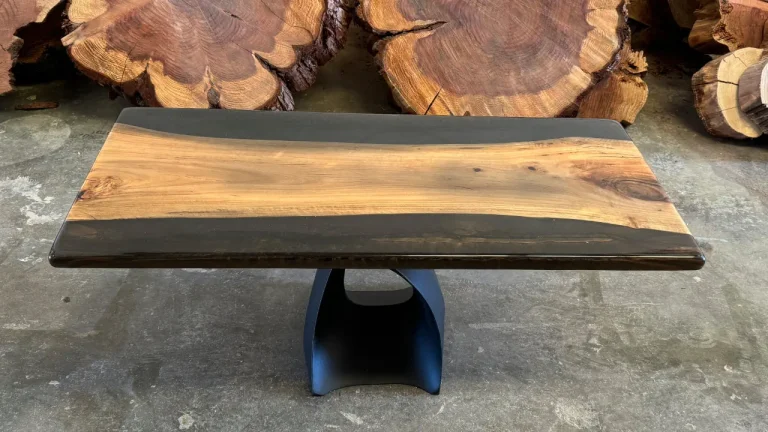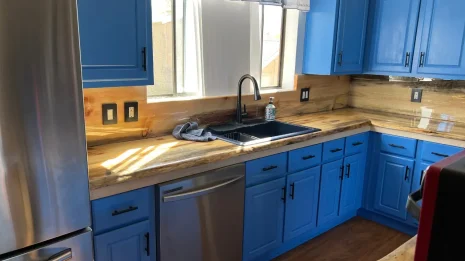
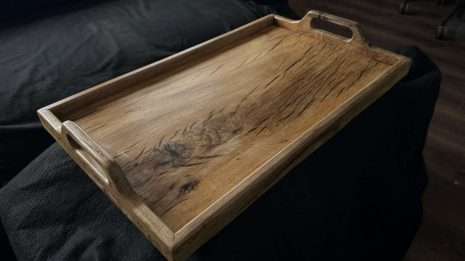

Epoxy river tables have become a popular trend in woodworking, combining the beauty of natural wood with the versatility and modern appeal of epoxy resin. These tables are not just functional pieces of furniture but also stunning works of art that showcase the unique characteristics of wood while allowing for creativity through the use of colored or clear epoxy.
1. Understanding Epoxy River Tables
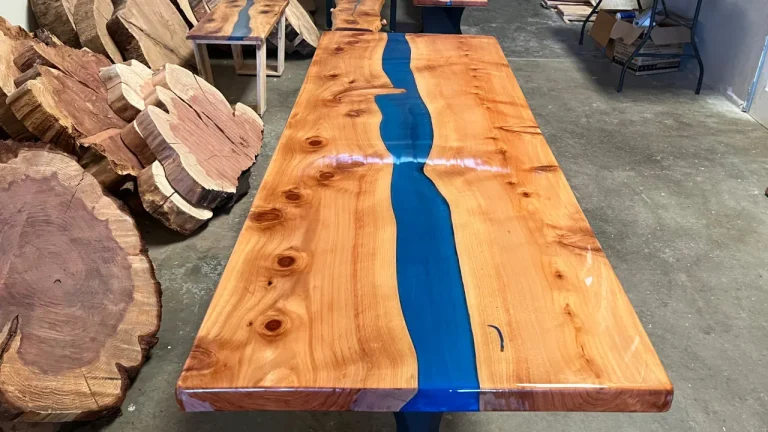
Epoxy river tables are created by filling the natural gaps, cracks, or spaces between two pieces of wood with epoxy resin. The resin can be tinted with various colors to create a river-like effect, hence the name. The finished product often resembles a river flowing between two banks of wood, creating a striking contrast between the natural grain of the wood and the smooth, glass-like finish of the resin.
2. The Role of Wood Selection
The choice of wood is crucial in the creation of a river table. Typically, slabs with live edges or interesting natural features are chosen to highlight the organic beauty of the wood. Species like walnut, maple, or oak are popular choices due to their durability and attractive grain patterns. The wood is often cut and shaped to enhance the overall aesthetic, with the live edges forming the boundaries of the “river.”
3. Epoxy Resin: The Modern Medium
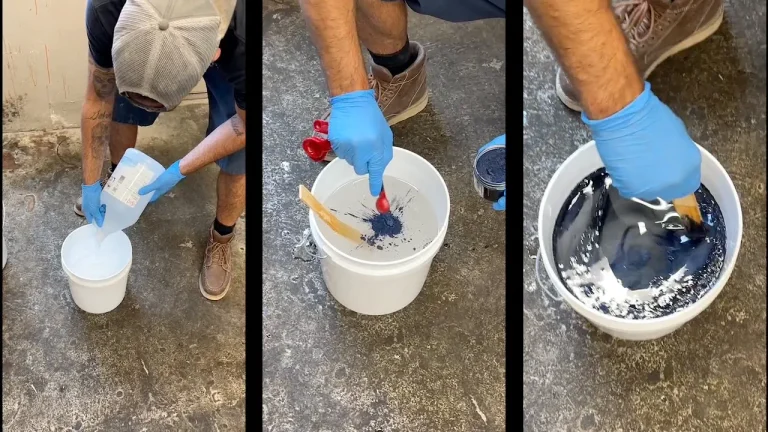
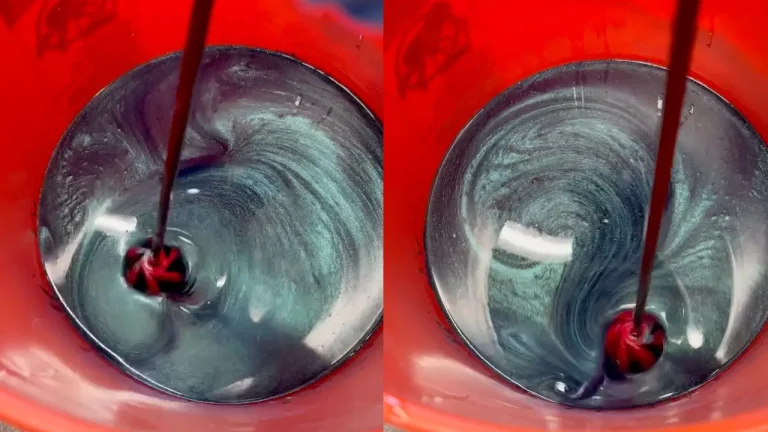
Epoxy resin is a two-part mixture that hardens into a durable, clear, or colored solid. When mixed properly, it creates a strong bond with the wood, sealing and protecting it from moisture and damage. The resin can be tinted in various colors, allowing for endless customization options. Some artisans even incorporate metallic powders, pigments, or other decorative elements into the resin to add depth and visual interest.
4. The Craftsmanship Process
Creating an epoxy river table requires meticulous planning and execution. The process typically involves the following steps:
- Wood Preparation: The wood slabs are carefully selected, cut, and sanded to ensure a smooth surface. The slabs are then positioned in a mold, with spacers used to create the river channel.
- Mold Creation: A mold is built around the wood slabs to contain the epoxy resin. The mold is usually made from materials that the resin won’t adhere to, such as melamine or HDPE.
- Epoxy Pouring: The epoxy resin is mixed and poured into the mold, filling the gaps between the wood slabs. This step may require multiple layers, depending on the desired depth of the “river.”
- Curing: The epoxy is left to cure for several days, hardening into a solid, glass-like surface.
- Finishing Touches: After the resin has cured, the table is removed from the mold, and any rough edges are sanded smooth. The entire surface is then polished to a high gloss or matte finish, depending on the desired look.
5. Design Considerations
When designing an epoxy river table, artisans must consider several factors:
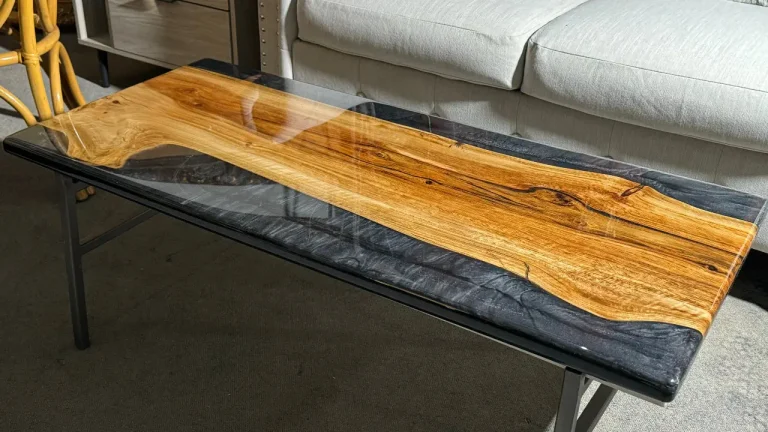
- Color Schemes: The color of the epoxy resin should complement the natural tones of the wood. Some prefer a subtle, clear finish, while others opt for bold colors that make a statement.
- Table Base: The base of the table can range from minimalist metal legs to more elaborate wooden structures. The choice of base plays a significant role in the overall aesthetic and functionality of the table.
- Size and Shape: Epoxy river tables can be custom-made to fit any space. The size and shape of the table should align with its intended use, whether as a dining table, coffee table, or desk.
6. Conclusion
Epoxy river tables are a perfect fusion of nature and craftsmanship, combining the raw beauty of wood with the modern appeal of epoxy resin. These tables are more than just furniture; they are unique pieces of art that can be customized to reflect personal style and creativity. Whether you’re an experienced woodworker or a novice, creating an epoxy river table is a rewarding project that showcases the harmony between natural materials and contemporary design.