
Burls and Root Balls: What You Can Make and How to Choose the Right One
Burls and root balls are among the most visually dramatic pieces of wood available. Their organic shapes, complex grain, and natural movement make them ideal for statement furniture and artistic woodworking. At Mountain Dog Millworks, we mill and kiln-dry burls and root balls from responsibly harvested local timber so they’re not just beautiful—but usable.
This guide explains what you can do with burls and root balls and what to look for when selecting one for your project.
What’s the Difference Between a Burl and a Root Ball?
Burls
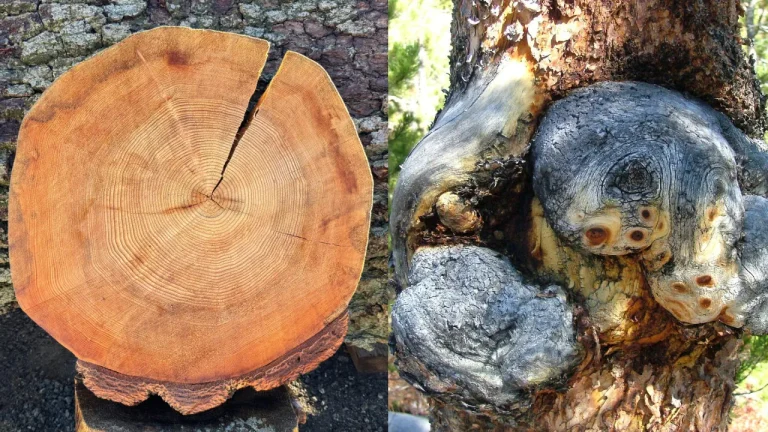
A burl forms on the trunk or branch of a tree as a response to stress or injury.
Why this matters: burls produce dense wood with swirling grain, eyes, and dramatic figuring.
Common characteristics:
- Tight, chaotic grain patterns
- High density
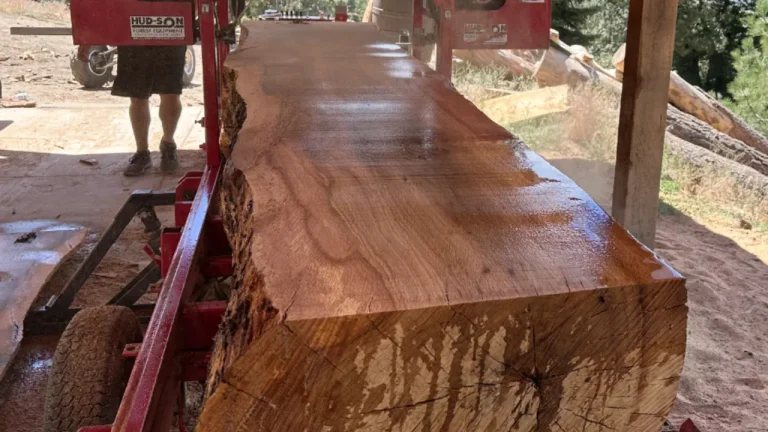
- Often flatter or slab-like when milled
Root Balls
A root ball comes from the base of the tree where trunk meets roots.
Why this matters: root balls offer wild, sculptural shapes and flowing grain that radiates outward.
Common characteristics:
- Highly irregular, organic forms
- Natural branching and voids
- Ideal for artistic and architectural features
1. Statement Furniture
Why it works: These pieces are meant to be the focal point.
- Coffee tables and side tables
- Dining or conference table bases made from root balls
- Entryway tables with burl slab tops
2. Sculptural & Artistic Pieces
Why it works: Natural form replaces straight lines.
- Freestanding sculptures
- Gallery and display pieces
- Root ball centerpieces
3. Functional Home Accents
Why it works: Smaller sections still carry visual impact.
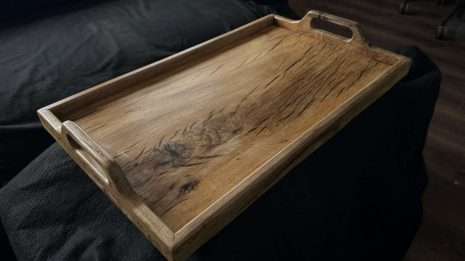
- Charcuterie boards and serving pieces
- Mantels and shelving features
- Wall-mounted burl or root sections
4. Custom Architectural Features
Why it works: No two are ever alike.
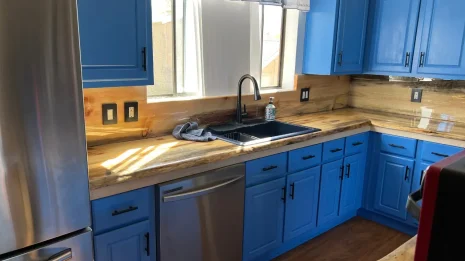
- Fireplace surrounds
- Built-in focal points
- Resin-enhanced designs that highlight voids and grain
How to Choose the Right Burl or Root Ball (Step-by-Step)
Step 1: Define the End Use
Why this matters: Shape and size dictate what’s possible.
- Flat surfaces → burl slabs
- Structural or sculptural bases → root balls
Step 2: Study the Grain and Form
Why this matters: The grain is the feature.
- Look for movement, depth, and flow
- Root balls should feel balanced, not chaotic
- Burls should show tight eyes and consistent figure
Step 3: Evaluate Cracks, Voids, and Natural Openings
Why this matters: These can be assets or liabilities.
- Structural cracks may limit load-bearing uses
- Voids add character and work well with resin fills
- Natural checking is expected and manageable
Step 4: Confirm It’s Properly Dried
Why this matters: Burls and root balls move more than straight lumber.
- Kiln-dried wood reduces future cracking
- Essential for indoor furniture and long-term stability
Step 5: Choose the Right Species
Why this matters: Species affects durability and finish.
- Dense hardwoods offer bold grain and strength
- Softer species provide warmth and lighter weight
- Each species finishes and ages differently
Quick Buying Checklist
| Feature | Why It Matters |
|---|---|
| Overall shape | Determines project suitability |
| Grain movement | Defines visual impact |
| Cracks & voids | Affects design approach |
| Kiln-dried | Prevents excessive movement |
| Species | Influences strength and color |
Why Our Burls and Root Balls Stand Out
At Mountain Dog Millworks, every burl and root ball is:
- Responsibly harvested from local timber
- Carefully milled to preserve natural character
- Kiln-dried for stability and reliability
- Available for custom surfacing, sizing, and finishing
We help you choose pieces that match your design goals, not just what looks good on a rack.
Thinking About a Burl or Root Ball Project?
Whether you’re envisioning a sculptural base, a one-of-a-kind table, or an architectural showpiece, the right piece makes all the difference