
Planed, Sanded, or Rough Cut: Milling Options Explained
When you’re investing in custom wood slabs or handcrafted furniture, understanding the finish of the wood is just as important as choosing the species. At Mountain Dog Millworks, we offer a variety of milling options to suit your project—each one affecting the final look, feel, and function of the wood. So what’s the difference between planed, sanded, and rough cut lumber? Let’s break it down.
What Is Rough Cut Lumber?
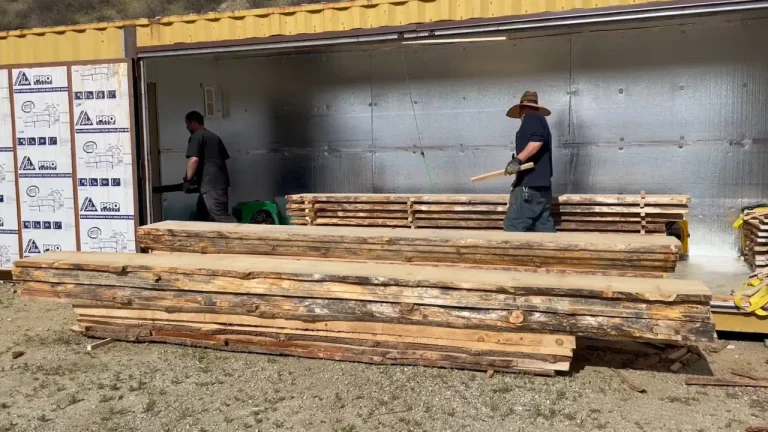
Rough cut wood is lumber that’s been sawn to size but hasn’t been further processed or smoothed. This is the most natural form of wood you’ll encounter, straight from the mill.
Best for:
- Rustic furniture
- Farmhouse decor
- DIYers looking to plane/sand themselves
- Budget-conscious builds
Key traits:
- Coarse texture
- May have saw marks or unevenness
- Slightly oversized for trimming and customization
What Is Planed Lumber?
Planed lumber (also called S2S or S4S) is passed through a planer to smooth one or more faces and edges. It offers a flat, uniform surface, making it easier to work with for joinery and finishing.
Best for:
- Furniture builders
- Cabinet makers
- Customers needing dimensionally accurate stock
Key traits:
- Smooth surface on one or more sides
- Consistent thickness
- Ready for gluing, joining, or sanding
What Is Sanded Lumber?
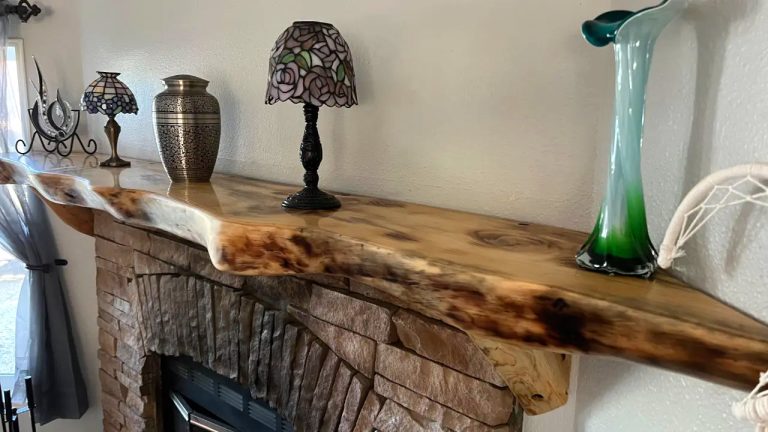
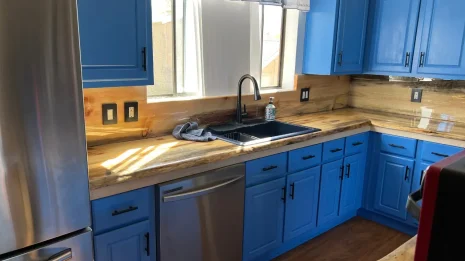
Sanded lumber has been planed and then further smoothed using sanding equipment or by hand. It’s the most finished form we offer and is often ready for stain, sealant, or resin application right out of the box.
Best for:
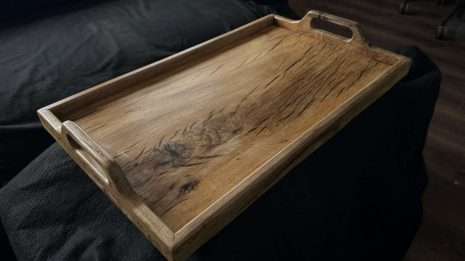
- Finished furniture pieces
- Resin pour tables
- Decorative elements where surface clarity matters
Key traits:
- Very smooth surface
- Grain and figure are clearly visible
- Requires minimal additional prep work
Choosing the Right Milling Option
| Milling Type | Surface Texture | Ready for Finish? | Typical Uses |
|---|---|---|---|
| Rough Cut | Coarse, raw | ❌ No | DIY milling, rustic builds |
| Planed | Flat, semi-smooth | ⚠️ Needs light sanding | Joinery, accurate cuts |
| Sanded | Very smooth | ✅ Yes | High-end furniture, display pieces |
How We Mill at Mountain Dog Millworks
Every slab we produce is milled from responsibly harvested local timber and kiln dried for stability. You can request:
- Rough Cut if you’re doing your own shaping
- Planed Flat if you need true thickness and flat surfaces
- Planed + Sanded for a ready-to-use finish
Not sure which you need? We’re happy to guide you based on your project’s needs.
Final Thoughts
Choosing between rough cut, planed, or sanded lumber is more than a technical detail—it’s about ensuring your piece comes together just the way you imagined. Whether you’re crafting a rugged bench or a glossy live edge river table, the right milling finish is where it all starts.
FAQ Section
Q: Can I request a combination, like planed but not sanded?
A: Absolutely. We often provide slabs that are planed flat but left unsanded for customers who prefer to apply their own finishing touch.
Q: Does sanding change the color of the wood?
A: Not the color, but sanding does bring out more contrast and clarity in the grain, making colors and figure appear richer.
Q: Which option is best for resin pours?
A: We recommend planed and sanded slabs for resin pours to ensure a tight bond and a crystal-clear finish.
Q: Can I get slabs milled to a specific thickness?
A: Yes! Every piece we mill can be customized in thickness, width, and length—just let us know what your project needs.