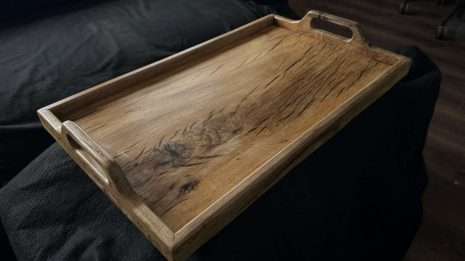


Understanding Wood Grain Patterns and Their Role in Design
When it comes to woodworking and custom furniture design, wood grain is more than just a natural feature; it’s an artistic canvas. The patterns formed by the arrangement of a tree’s fibers give each piece of wood its own personality, creating an unparalleled opportunity to craft unique, visually striking pieces. Let’s explore what wood grain patterns are, how they form, and why they matter in design.
What Is Wood Grain?
Wood grain refers to the alignment, texture, and appearance of the fibers in wood. These fibers are the long cells that make up the tree’s structure, responsible for transporting water and nutrients. The grain’s direction and pattern are determined by several factors, including the species of tree, its growth environment, and how the wood is cut during milling.
Types of Wood Grain Patterns
There are several distinct wood grain patterns, each offering a unique aesthetic:
- Straight Grain: Fibers run parallel to the length of the wood, creating a clean and uniform appearance. Ideal for minimalist and modern designs.
- Spiral Grain: Fibers twist around the trunk, resulting in wavy patterns. Often found in softwoods like pine.
- Wavy Grain: The fibers form gentle, wave-like patterns, adding a sense of movement and fluidity to the wood.
- Interlocked Grain: Fibers grow in opposite directions in alternating layers, creating a strikingly complex appearance. Often seen in hardwoods like mahogany.
- Figured Grain: These patterns include unique features such as bird’s eye, quilted, or curly designs. They’re prized for their rarity and dramatic visual impact.
- Knotty Grain: Formed by knots in the wood, these patterns bring rustic charm and character to designs.
The Role of Grain in Design
1. Aesthetic Appeal
The grain pattern of a wood slab can dramatically influence the overall aesthetic of a piece. For example:
- Straight grains are perfect for sleek, contemporary designs.
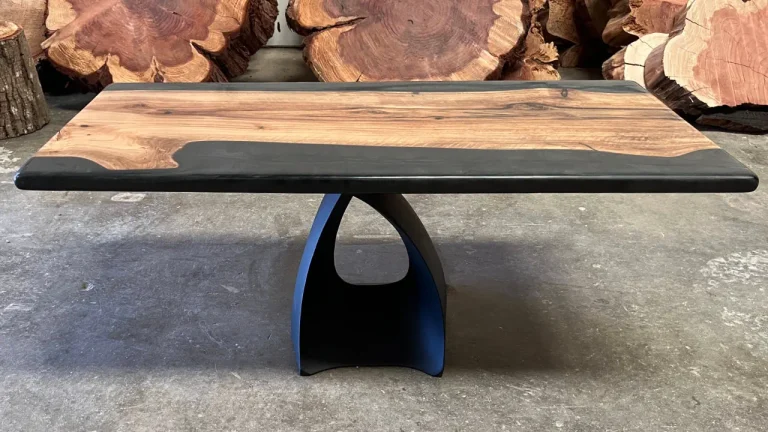
- Figured grains can serve as the focal point in statement furniture pieces.
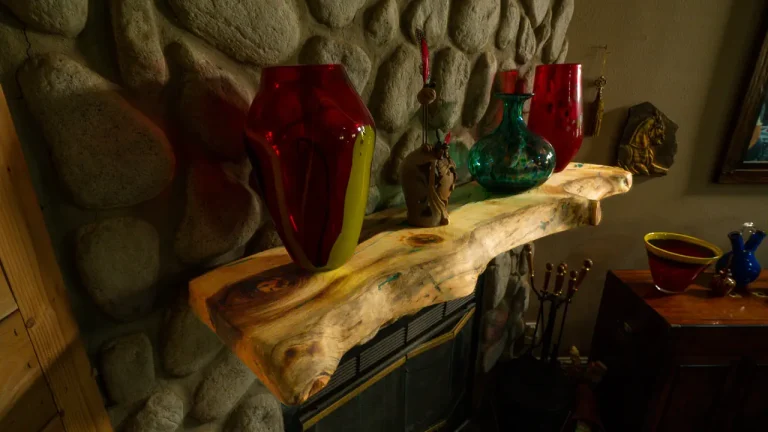
- Knotty grains add warmth and a sense of natural authenticity.
2. Functionality and Strength
Grain direction affects the strength and stability of wood. Straight-grained woods are less prone to warping and are ideal for structural elements, while interlocked grains, although beautiful, may require extra care in milling and crafting.
3. Light Interaction
Grain patterns interact with light in fascinating ways. For instance, figured grains can create a shimmering effect known as chatoyance, making the surface appear dynamic as the viewing angle changes.
4. Emotional Connection
Each grain pattern tells a story about the tree’s growth, from its struggle through weather conditions to the passage of time. This natural narrative resonates deeply with those who appreciate the beauty of wood.
Tips for Incorporating Wood Grain into Your Designs
- Choose the Right Species: Different species, such as red oak or fir, offer distinct grain patterns that can enhance your design.
- Select the Right Cut: The way wood is cut (e.g., plain-sawn, quarter-sawn, or rift-sawn) affects the grain’s appearance. Quarter-sawn wood, for example, highlights straight and uniform patterns, while plain-sawn showcases dramatic arches and swirls.
- Embrace Contrast: Pairing woods with contrasting grain patterns can create visual intrigue in your design.
- Showcase the Grain: Use finishes that enhance the natural grain rather than obscuring it. Clear or lightly tinted finishes work best.
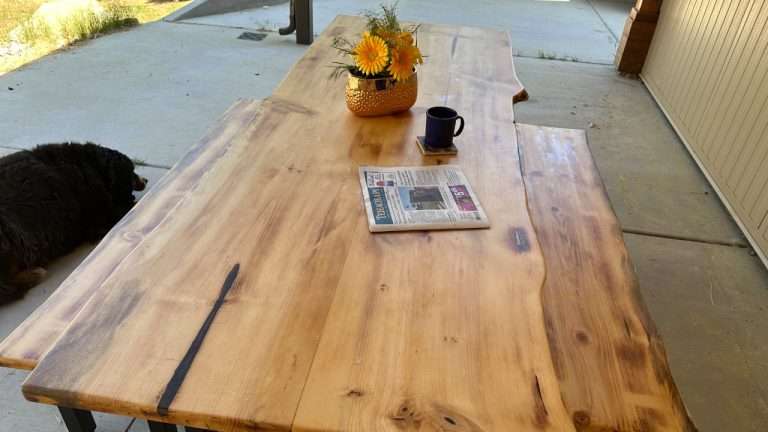
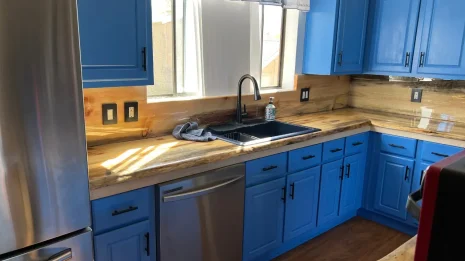
- Plan Around the Grain: For large furniture pieces, strategically position grain patterns to draw attention to key areas, such as tabletops or cabinet fronts.
Why Grain Matters at Mountain Dog Millworks
At Mountain Dog Millworks, we understand that wood grain is not just a feature—it’s a cornerstone of great design. Our sustainably sourced, kiln-dried slabs are carefully milled to preserve and showcase the natural beauty of each tree. Whether you’re looking for straight-grained elegance or the dramatic flair of a figured grain, our custom milling services can bring your vision to life.
Final Thoughts
Wood grain patterns are a testament to nature’s artistry, offering endless possibilities for design. By understanding and appreciating these patterns, you can create pieces that are not only functional but also rich with character and beauty.
Ready to bring the beauty of wood grain into your next project? Visit Mountain Dog Millworks or contact us to explore our selection of custom wood slabs and start designing your masterpiece today.